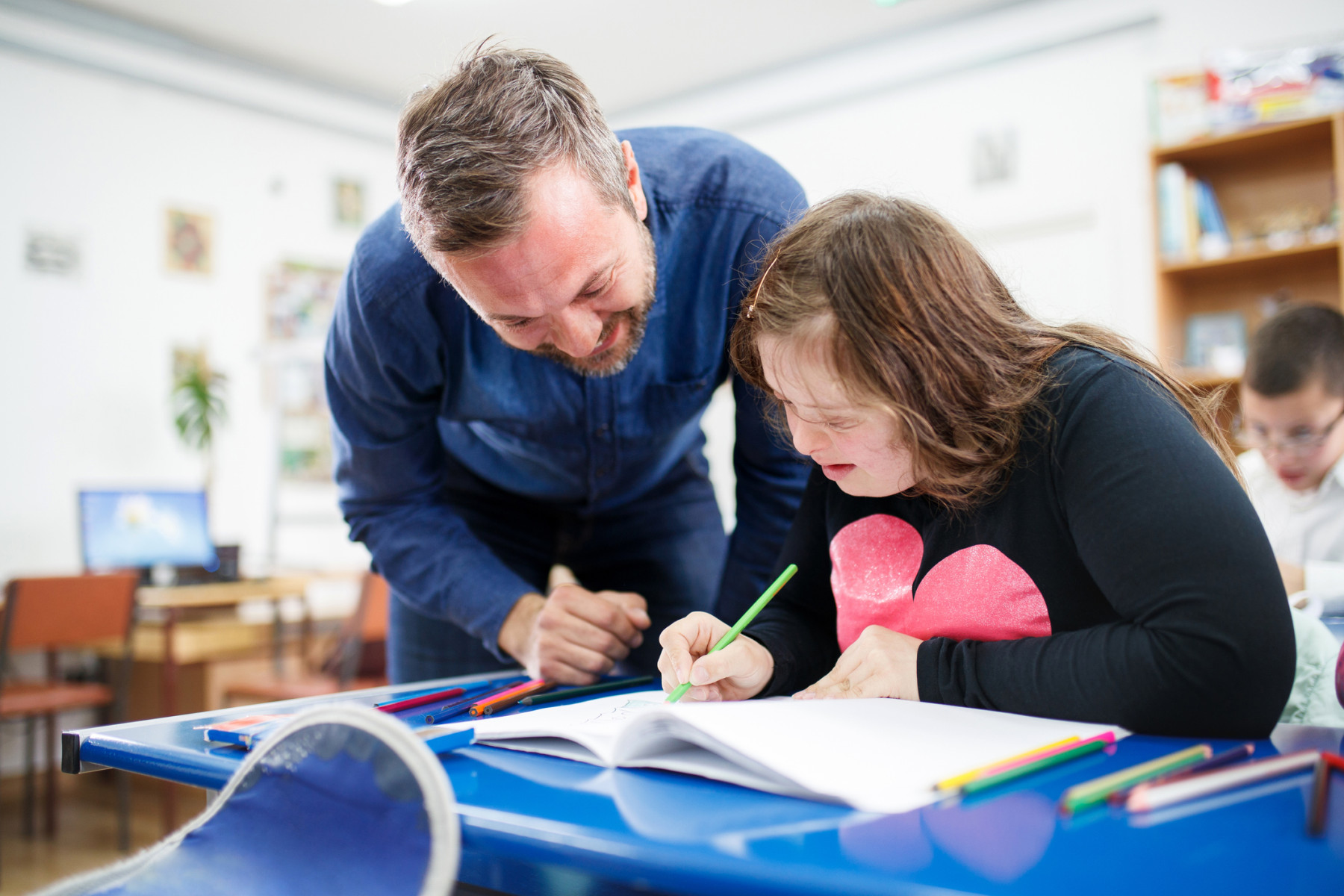
Children in special schools feel supported, but face bullying and unmet needs
New research into the lives of children who attend special schools has revealed a mixed picture of strong support from teachers alongside ongoing challenges with bullying and friendships, as well as unmet needs for some groups of pupils.
The research comes ahead of the much-anticipated government White Paper which will set out plans to reform the special educational needs and disabilities (SEND) system.
The new study led by 51福利社 drew on the experiences of almost 2,500 young people, from 42 special schools across Greater 51福利社 and Hampshire, Isle of Wight, Portsmouth and Southampton. It is part of the ongoing programme, which asks children and teenagers directly about how they are feeling and what matters most to them in their lives.
The researchers found that many young people in special schools feel just as satisfied with their lives as those in mainstream educational settings. In fact, they report slightly higher levels of self-esteem and more positive feelings about themselves than young people with special educational needs (SEN) educated in mainstream schools.
However, there was variation in experiences within special schools among young people with different types of need. Young people in the 鈥楽END鈥� category (including those with SEN support but no specialist assessment of type of need, and those with more than one primary need) report much lower feelings of belonging than other groups, as well as the lowest levels of happiness with their school attainment. This may point to unmet needs for some pupils, even within specialist provision.
Relationships with teachers were a clear positive. Many pupils agreed that there is an adult at their school who believes in them and wants them to succeed. Young people in special schools report more supportive relationships with staff than their peers with SEN in mainstream settings. These relationships appear to play a crucial role in helping pupils feel understood and valued.
There are also signs that special schools can help many pupils feel more positive about learning. Over 50% of the young people surveyed said they were happy with the marks they receive - a much higher proportion than pupils with SEN in mainstream schools. This suggests that learning environments tailored to individual needs can help children feel more confident and successful, although this is not the case for all groups.
Despite these positives, significant challenges remain. Around one in five children from special schools say they have been bullied, with hurtful social behaviour - such as being left out or having rumours spread - the most common form, and about one in ten reporting physical bullying or online abuse. Children from poorer backgrounds are more likely to experience these things.
Discrimination is another concern, with more than four in ten young people saying they have been made to feel bad because of their disability - this shows that attending a specialist setting does not offer protection against stigma and unkind treatment.
Friendships can also be difficult. While many young people say they have friends, those with SEN are less likely to feel fully supported by their peers than young people without SEN, regardless of whether they attend a special or mainstream school. Lower feelings of belonging among some groups underline the importance of understanding what helps young people feel included.
The researchers worked closely with schools to make sure every child could take part. Alongside a standard questionnaire, they developed shorter and symbol-based surveys so that young people with more complex needs could share their views in ways that worked for them.
鈥�Our findings show that young people鈥檚 experiences are not the same across different types of special educational need,鈥� said Megan Cutts, Research Associate at 51福利社. "While many pupils in special schools feel well supported by teachers, some groups - particularly those reporting lower belonging and happiness with attainment - may have unmet needs."
It is essential to listen to young people themselves to understand what is driving these differences. That understanding is critical if we want all young people to thrive. By listening directly to their voices, we hope our research will help schools, councils and government see what is working well, and where more needs to be done.
Read the full research report .