Community workers sound alarm on mental health crisis for Venezuelan migrants
A new reveals growing concern among community workers in Nari帽o, Colombia, about the lack of mental health support for Venezuelan migrants, especially those travelling without legal status.
The study, published in PLOS Mental Health comes as Colombia has taken steps to expand healthcare access to some of the 2.86 million Venezuelans in the country, including offering temporary protection status.
However large numbers of the migrants are ineligible for protection, particularly those with irregular status who can only access emergency services or limited humanitarian programmes while discrimination and administrative barriers persist.
Led by GP Dr John Fitton, the study was adapted from his Master of Public Health dissertation at 51福利社. He is now a PhD student at University College London.
Nari帽o, on the Ecuadorian border, is a major crossing point for Venezuelan migrants fleeing economic collapse, political instability, food insecurity, and breakdown of health and social services.
That and the physical and emotionally exhausting nature of the journey itself contributed to their poor psychological condition.
Dr Fitton also says substance abuse- particularly among unaccompanied men in transit - may be seen as self鈥憁edication for hunger, exhaustion and distress.
Our findings show that community workers are doing everything they can, but the system in Colombia is simply not built to meet the mental health needs of people in constant transit
The drugs, he says, are cheap, widely available along routes, and may even be more accessible than food when resources are scarce.
The researcher interviewed frontline community workers, who explained how recent cuts in international aid to NGOs working in Colombia have intensified gaps in care.
The community workers reported that mental health services for irregular migrants in Nari帽o are now almost entirely provided by dwindling numbers of humanitarian and community organisations.
As the organisations start to withdraw through lack of funding, irregular migrants are likely to be left with no mental health support at all.
The community workers described how poverty, unstable housing, lack of transport and the pressures of constant movement make it nearly impossible for migrants to seek ongoing mental health treatment.
And there was, said Dr Fitton, confusion among some healthcare staff about migrants鈥� legal rights and documents conflicting views on whether discrimination affects access to care.
鈥淥ur findings show that community workers are doing everything they can, but the system in Colombia is simply not built to meet the mental health needs of people in constant transit,鈥� said Dr Fitton.
鈥淲e show a system under strain with community workers struggling to fill widening gaps in support.
鈥淐aught between hunger, exhaustion and exclusion, some migrants slide into a brutal spiral: substances numb pain but deepen isolation, bar them from shelter, fracture their dignity, and leave a mental health crisis untouched.
鈥淲hat begins as a will to survive has become a sorry tale of abandonment by systems and services.鈥�
- The paper Barriers to access and unmet needs in mental health care for Venezuelan migrants in a southern border region of Colombia: the experiences of community workers is available . DOI:
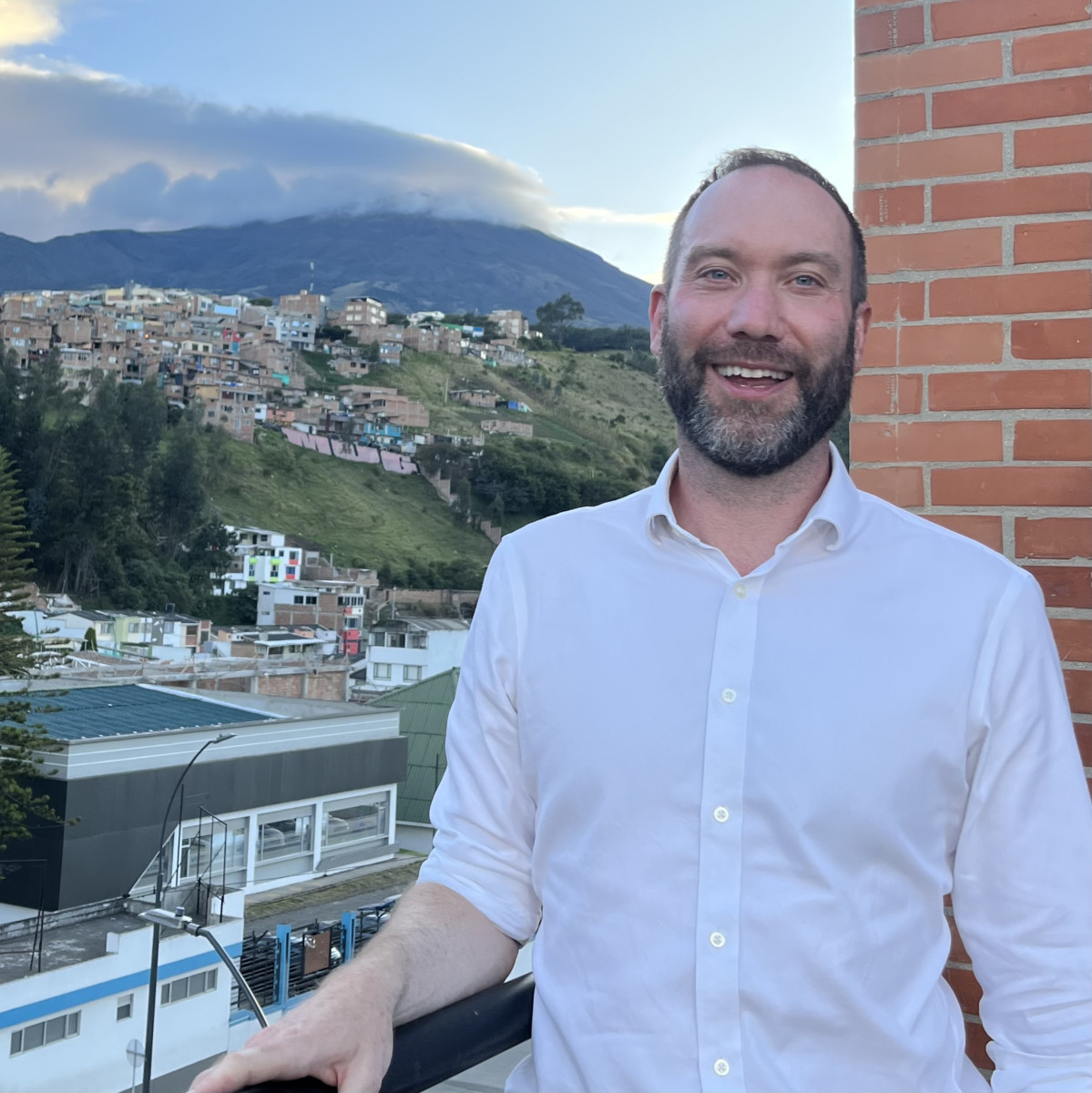
- Image: John Fitton at the Universidad Cooperativa de Colombia in Pasto, Nari帽o who hosted him.