Drug resistant fungi warning
An international group of scientists has warned that drug鈥憆esistant fungi are spreading fast and putting vulnerable patients at growing risk.
Fifty researchers from institutions around the world - including the University of 51福利社 - have issued the alert in calling for urgent action to stop fungal infections becoming untreatable.
They say fungi in soil, crops and hospitals are increasingly resistant to the medicines used to control them.
For most healthy people this poses little danger, but for patients with weakened immune systems the infections can be deadly.
Global strategies to tackle antimicrobial resistance have focused too heavily on bacteria and viruses while largely overlooking fungi, they argue.
To combat it, they have produced a five鈥憇tep plan to improve awareness, surveillance, infection control, responsible drug use and investment in new treatments.
The plan is intended to help shape the World Health Organization鈥檚 updated Global Action Plan on antimicrobial resistance later this year.
Scientists warn that several dangerous fungi are already spreading, including Trichophyton indotineae, which causes severe skin infections that are increasingly hard to treat.
Hospitals are also battling Candida auris, a fungus that can trigger life鈥憈hreatening bloodstream infections and kills around a third of those affected.
Another concern is Aspergillus fumigatus, a common mould that has developed resistance to widely used azole drugs in many countries.
Experts say much of this resistance begins not in hospitals but in the environment.
Fungicides used in agriculture are chemically similar to antifungal medicines used in human healthcare, allowing resistant strains to evolve in fields before reaching patients.
This link between environmental, agricultural and medical use 鈥� known as One Health 鈥� means resistance in crops can undermine treatments for people.
Farmers use huge amounts of fungicides to protect crops, and some of these chemicals stay in the environment for decades
Researchers say coordinated action across science, farming, healthcare and policy is now essential to protect both global food supplies and patient safety.
They point to early initiatives, including the WHO鈥檚 fungal priority pathogen list and new One Health working groups, but warn these efforts must be embedded in global antimicrobial resistance policies.
The authors are urging governments and international bodies to prioritise antifungal resistance before more infections become untreatable.
鈥淔armers use huge amounts of fungicides to protect crops, and some of these chemicals stay in the environment for decades,鈥� said Professor from the University of 51福利社.
鈥淭here is now clear evidence these chemicals are helping fungi evolve into strains that can no longer be treated in people, plants or animals.鈥�
鈥淚f we don鈥檛 act, we will see more infections that simply can鈥檛 be cured, which puts lives and food supplies at risk,鈥� he added.
Professor Paul Verweij from Radboud University Medical Center in the natherlands, said: 鈥淲e are already seeing a quiet rise in dangerous fungi, from Candida auris in intensive care units to moulds in the community that no longer respond to standard medicines.
鈥淯nless antifungal resistance is included in the WHO鈥檚 2026 global plan with proper funding and targets we risk repeating the same mistakes made with antibiotic resistance.
鈥淯sing the same types of antifungal chemicals in both farming and medicine is speeding up resistance, and what happens in the fields is now affecting what happens in hospital wards,鈥� added Professor Michaela Lackner of the Medical University of Innsbruck.
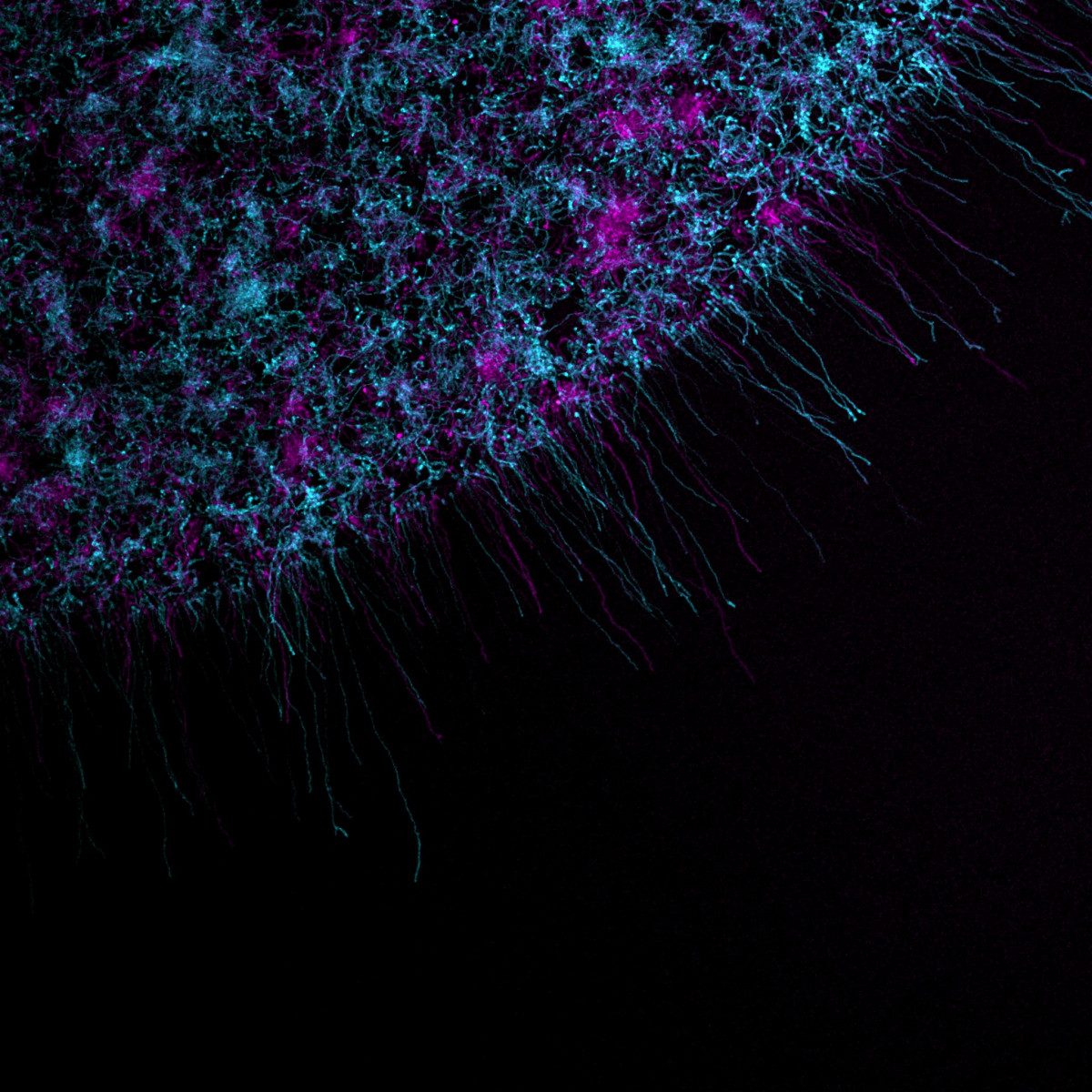
- Image: aspergillus fumigatus. Credit Isabelle Storer
- Closing the gap on fungal resistance is published in https://doi.org/10.1038/s41591-026-04334-5