The power of being heard
When we think about disaster recovery, we often think about rebuilding roads, restoring services or repairing damaged homes. All important, but for many people affected by disaster, recovery is actually about being heard.听
That question sits at the heart of Just Recovery. Drawing on experiences from the COVID-19 pandemic and the realities faced by migrant workers in Nepal, reflects on his research and asks a simple but powerful question: what would recovery look like if it were designed around the needs, rights and experiences of the people most affected?听
The spark
The COVID-19 pandemic exposed deep inequalities in how societies respond to crises. Nepali migrant workers found themselves particularly vulnerable. Many lost jobs overnight, faced wage theft, risk of deportation, and were placed in unsafe quarantine facilities. While migrant workers are often celebrated back home for the money they send through remittances, the pandemic revealed how quickly they could become overlooked or excluded by governments when crisis struck.听听
For our research, this was not just another policy problem, but a human one.听
Humanities methods are uniquely placed to explore these kinds of issues. Rather than beginning with statistics or infrastructure, the project began by listening to those living through the crisis. Through interviews, collaborative workshops and ongoing partnerships with activists and community organisations, we built a detailed picture of what recovery looked like from the perspective of migrant workers themselves and civil society activists defending their rights.听
Developing the Just Recovery framework听
The research revealed that recovery is not simply about returning to normal. In fact, for those affected by disaster, it means departing from the normal. Together, our team and Accountability Lab in Nepal developed the idea of Just Recovery: an evidence-informed approach that places human rights and lived experience at the centre of disaster governance.听
The framework argues that recovery should be built around three interconnected ideas:听听
- Care: recognising the importance of support networks and wellbeing.听
- Collaboration: highlighting the need for governments, communities and civil society organisations to work together.听
- Confrontation: challenging unfair systems and demanding accountability where rights have been ignored or violated.听
This is where the value of humanities research becomes clear. The project did not simply identify problems, but it helped develop a new way of thinking about recovery that could be applied in practice.听
What changed?听
One of the most significant outcomes of the research was the strengthening of civil society advocacy. Accountability Lab and its partners have used the research to identify evidence-based ways to improve citizen participation and accountability during disaster response and recovery. The findings have helped provide a stronger foundation for future campaigns and advocacy efforts led by young activists and community organisations.听
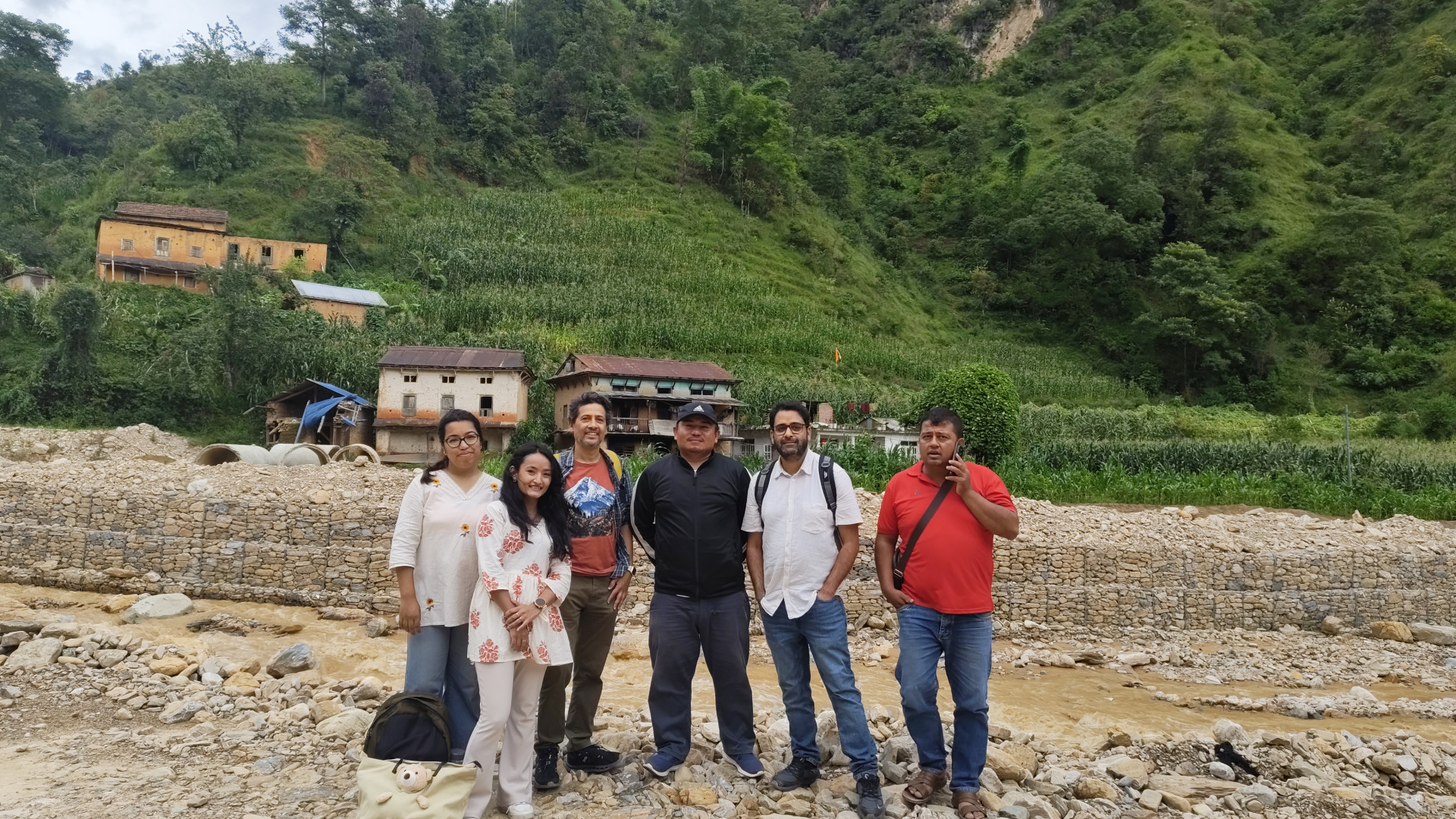
The project also helped build connections between researchers, activists, practitioners and policymakers. Through public hearings, workshops and collaborative knowledge-sharing, communities were able to raise concerns directly with decision makers and contribute to conversations about recovery. These activities created opportunities for local knowledge to influence wider discussions about disaster governance. The longitudinal work in Kavre, a peri-urban community in the outskirts of Kathmandu valley, also shows the value of a place-based research, developing deeper and more engaged relationships with local communities and officials. Perhaps most importantly, our research demonstrated that those affected by disasters are not simply recipients of aid. They are rights-bearing citizens and experts in their own experiences and can play an active role in shaping solutions.听
This work shows that impact is not only about policy change. It is about shifting conversations, strengthening advocacy and ensuring that people most affected by crises have a voice in recovery. By developing the Just Recovery framework, the project has helped shape how organisations, activists and policymakers think about building fairer and more accountable responses to disasters.听
Looking back听
The project set out to understand citizen participation and accountability during disaster recovery. It achieved that aim, but it also generated a practical framework that continues to be applied beyond the pandemic.听
What began as research into COVID-19 and migration has evolved into work on flooding, climate justice and disaster risk reduction. The Just Recovery framework is now being explored in relation to the recovery of community-based and vital infrastructures following the 2024 floods in Nepal. It is also being explored in response to the climate change facing South Asia and is informing conversations beyond Nepal through Accountability Lab's international network.听
One thing I hope we continue to take away from the research is that these experiences need more deeper reflection on ethics of engagement in difficult contexts than we can simply observe in an academic publication. This demands a deeper sense of responsibility and respect for those affected by or reeling from disasters. After all, how can recovery even begin to help if it's not shaped by those it鈥檚 affecting? Just Recovery demonstrates that lasting impact is not only about rebuilding after a crisis. It is about ensuring that the people most affected have a voice in deciding what comes next.听
This reflection is part of Ideas at Work, a series exploring the people and places shaped by humanities research at 51福利社.听
Discover more abour Dr Dhungana and his research
URL: https://research.manchester.ac.uk/en/persons/nimesh.dhungana/